
Concrete is one of the most widely used construction materials because of its strength, durability, and versatility. However, conventional concrete can develop cracks due to shrinkage, temperature changes, impact, and other stresses. Fiber concrete, also known as fiber reinforced concrete, is designed to address some of these limitations by incorporating small fibers throughout the concrete mix.
But what exactly is fiber concrete, how does it work, and why are Concrete Fiber products increasingly used in modern construction?
This guide explains everything you need to know about fiber concrete, its benefits, applications, and how choosing the right concrete fiber can improve the performance of concrete structures.
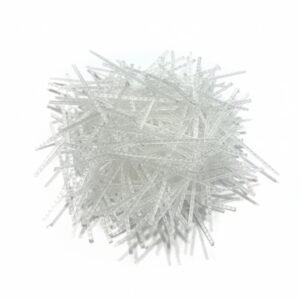
What Is Fiber Concrete?
Fiber concrete is concrete that contains short, discontinuous fibers distributed throughout the concrete mixture. These fibers help control cracking and improve the toughness and durability of the concrete.
The resulting material is commonly called fiber reinforced concrete (FRC).
Unlike conventional concrete, which primarily relies on its cementitious matrix and conventional reinforcement, fiber reinforced concrete contains fibers that are dispersed within the mix. When cracks begin to form, the fibers can help bridge the cracks and hold the concrete together.
Depending on the project requirements, different types of fibers can be used, including:
- Polypropylene fibers
- Steel fibers
- Synthetic structural fibers
- Glass fibers
- Basalt fibers
- Other specialized reinforcement fibers
The appropriate type of Concrete Fiber depends on the application, required performance, concrete mix, and design requirements.
How Does Fiber Reinforced Concrete Work?
Concrete is strong in compression but comparatively weak in tension. When concrete experiences tensile stresses, small cracks can develop.
In fiber reinforced concrete, fibers are distributed throughout the concrete matrix. When a crack develops, fibers can cross the crack and provide additional resistance.
This can help:
- Control shrinkage cracking
- Improve post-cracking behavior
- Increase toughness
- Improve resistance to impact and abrasion
- Reduce crack width in appropriate applications
- Improve the overall durability of concrete
The performance of FRC depends on several factors, including fiber type, fiber dosage, fiber geometry, concrete mix design, mixing method, and application.
What Is Concrete Fiber Made Of?
Concrete fibers are manufactured from different materials depending on their intended use.
1. Polypropylene Concrete Fiber
Polypropylene is a synthetic material widely used for controlling plastic shrinkage and early-age cracking in concrete.
Polypropylene fibers are lightweight, non-corrosive, and easy to incorporate into many concrete mixes. They are commonly used in slabs, floors, precast products, shotcrete, and other construction applications.
2. Steel Fiber
Steel fibers are commonly used when higher levels of structural or post-cracking performance are required. They can improve the toughness and load-carrying behavior of concrete when properly designed and dosed.
Steel fiber reinforced concrete is used in applications such as industrial floors, warehouses, pavements, precast elements, and other demanding construction projects.
3. Synthetic Structural Fiber
Synthetic structural fibers are engineered to provide enhanced post-cracking performance without the corrosion concerns associated with conventional steel reinforcement.
Their suitability depends on the project design and the performance requirements of the concrete.
What Are the Benefits of Fiber Reinforced Concrete?
The use of Concrete Fiber can provide several advantages when the correct fiber and dosage are selected for the intended application.
Better Crack Control
One of the primary reasons for using fiber reinforced concrete is crack control.
Fibers can help limit the development and propagation of cracks caused by plastic shrinkage, drying shrinkage, temperature variations, and other stresses.
Improved Toughness
Concrete fiber can improve the toughness of concrete by helping the material absorb energy after cracking.
This is particularly useful in applications exposed to impact, repeated loading, or mechanical stress.
Improved Durability
By helping control cracking, fibers can contribute to improved concrete durability. Smaller or better-controlled cracks can reduce pathways through which water and aggressive substances may enter the concrete.
However, fiber should be considered part of an overall concrete durability strategy rather than a substitute for proper mix design and curing.
Reduced Risk of Early-Age Cracking
Fresh concrete can experience plastic shrinkage as moisture evaporates from its surface. Suitable fibers can help reduce the formation and width of these early-age cracks.
Uniform Reinforcement
Unlike reinforcement placed only at specific locations, properly mixed fibers are distributed throughout the concrete matrix.
This provides reinforcement in multiple directions and can help address cracking that may occur between conventional reinforcement locations.
Easier Handling and Installation
Depending on the type of project and fiber selected, fiber reinforced concrete can simplify certain reinforcement processes by reducing or supplementing the need for some conventional reinforcement.
The exact reinforcement requirements should always be determined by the project engineer.
Where Is Fiber Concrete Used?
Fiber reinforced concrete is suitable for a wide range of construction applications.
Common applications include:
Concrete Floors
Industrial floors, commercial floors, warehouses, and other large slab areas can benefit from fiber reinforcement for crack control and improved toughness.
Concrete Slabs
Concrete fiber can be incorporated into slabs used in residential, commercial, and industrial construction.
Roads and Pavements
Fiber reinforced concrete can be used in pavements and other transportation-related applications where improved toughness and crack control are required.
Precast Concrete
Fiber is commonly used in precast concrete products to improve handling characteristics and performance, depending on the product design.
Shotcrete
Concrete fibers are widely used in shotcrete applications, including tunnels, retaining structures, slope stabilization, and other specialized construction projects.
Industrial and Heavy-Duty Construction
Where concrete is exposed to impact, abrasion, or repeated loading, an appropriately designed fiber reinforced concrete system can provide valuable performance benefits.
Is Fiber Concrete Better Than Ordinary Concrete?
Fiber concrete is not simply a replacement for conventional concrete. Instead, it is a reinforced concrete technology designed to improve specific performance characteristics.
Traditional concrete may be suitable for many applications. However, when crack control, toughness, impact resistance, or post-cracking performance is important, adding the right Concrete Fiber can provide significant advantages.
The best solution depends on the project.
Fiber selection should consider:
- Type of construction
- Concrete strength
- Required performance
- Fiber material
- Fiber dimensions
- Fiber dosage
- Mixing procedure
- Environmental conditions
- Applicable design standards
For structural applications, fiber dosage and performance should be established through appropriate engineering design and testing.
How Much Concrete Fiber Should Be Used?
There is no single fiber dosage that is correct for every project.
The required amount depends on the type of fiber, concrete mix, application, and performance requirements. For example, a dosage suitable for plastic shrinkage control may be very different from the dosage required for structural or post-cracking performance.
Therefore, construction professionals should follow the manufacturer’s technical recommendations and the project’s engineering specifications.
Using more fiber does not automatically mean better concrete. Correct fiber selection and dosage are more important than simply increasing the quantity.
Why Choose ASCO Concrete Fiber?
Choosing a suitable Concrete Fiber is important for achieving consistent results on a construction project. ASCO Concrete Fiber provides fiber reinforcement solutions designed for use in modern concrete construction.
ASCO Concrete Fiber can be considered for projects where improved crack control, durability, toughness, and overall concrete performance are required.
The right ASCO fiber product can help construction professionals select a reinforcement solution according to the specific requirements of their application.
Whether you are working on concrete slabs, industrial flooring, precast concrete, pavements, shotcrete, or other construction projects, selecting a suitable fiber is an important part of achieving reliable concrete performance.
Before selecting a product, construction professionals should review the relevant technical data, recommended dosage, and application-specific requirements.
Frequently Asked Questions About Fiber Concrete
What is fiber concrete?
Fiber concrete is concrete containing short fibers distributed throughout the mixture. It is also commonly known as fiber reinforced concrete. The fibers help improve crack control, toughness, and other performance characteristics depending on the fiber type and dosage.
What is the purpose of Concrete Fiber?
The primary purpose of Concrete Fiber is to provide reinforcement within the concrete matrix. Depending on the fiber type, it can help control cracking, improve toughness, and enhance resistance to impact or abrasion.
Is fiber reinforced concrete stronger than normal concrete?
Fiber reinforced concrete can provide improved toughness, crack resistance, and post-cracking performance compared with conventional concrete. However, the improvement depends on the type and dosage of fiber and the concrete design.
Can Concrete Fiber replace steel reinforcement?
Not always. Fiber can supplement or, in specifically designed applications, replace certain forms of conventional reinforcement. Whether it can replace steel reinforcement depends on structural design, fiber performance, applicable standards, and project requirements.
Which fiber is best for concrete?
There is no universally best fiber. The ideal Concrete Fiber depends on the application and required performance. Polypropylene, steel, and synthetic structural fibers each have different characteristics and applications.
Is fiber concrete suitable for floors?
Yes. Fiber reinforced concrete is widely used in concrete floors, including industrial and commercial flooring. The appropriate fiber and dosage should be selected according to the floor design and performance requirements.
Conclusion
Fiber concrete, or fiber reinforced concrete, is an effective approach to improving the performance of concrete by distributing fibers throughout the concrete matrix. Depending on the type of fiber used, it can help control cracking, improve toughness, and enhance the durability and performance of concrete.
From concrete floors and slabs to pavements, precast products, and shotcrete, Concrete Fiber has become an important component of modern construction.
For construction professionals looking for a reliable fiber reinforcement solution, ASCO Concrete Fiber can be considered for a wide range of concrete applications. Selecting the right product, dosage, and mixing method is essential to achieving the desired results.
Build stronger and more durable concrete with the right fiber reinforcement solution. Choose ASCO Concrete Fiber for your construction needs.