Uncategorized

Concrete Fiber
Uncategorized

Can concrete fiber replace rebar?

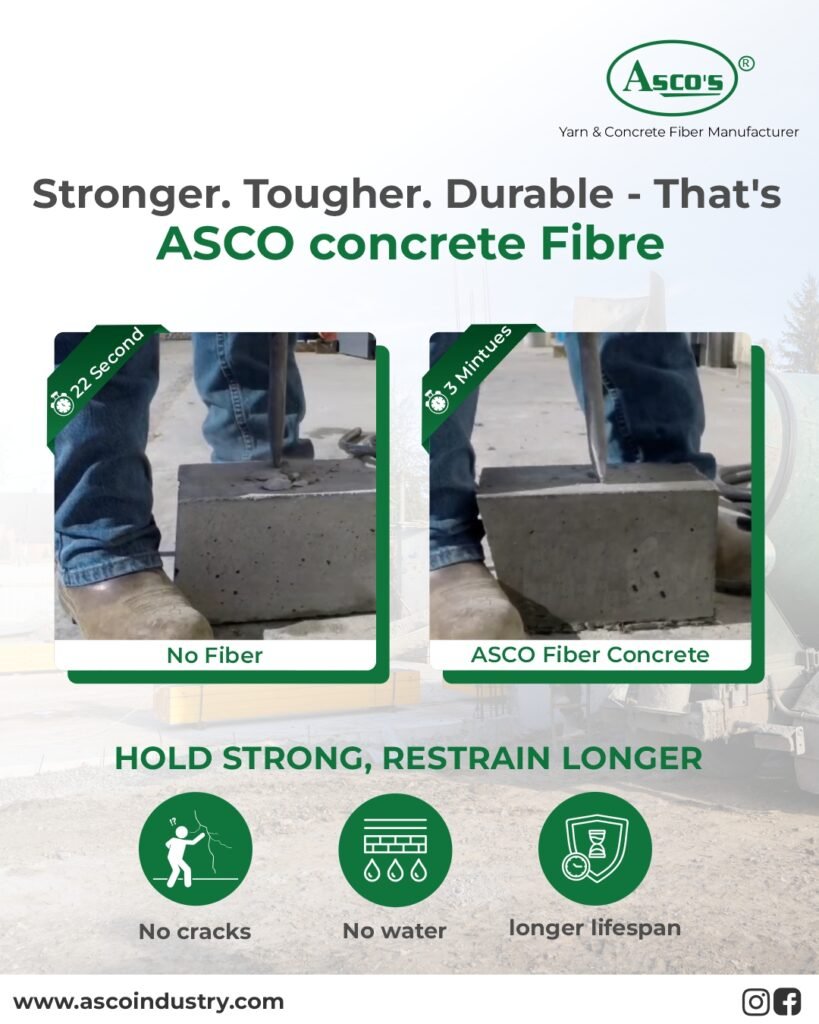
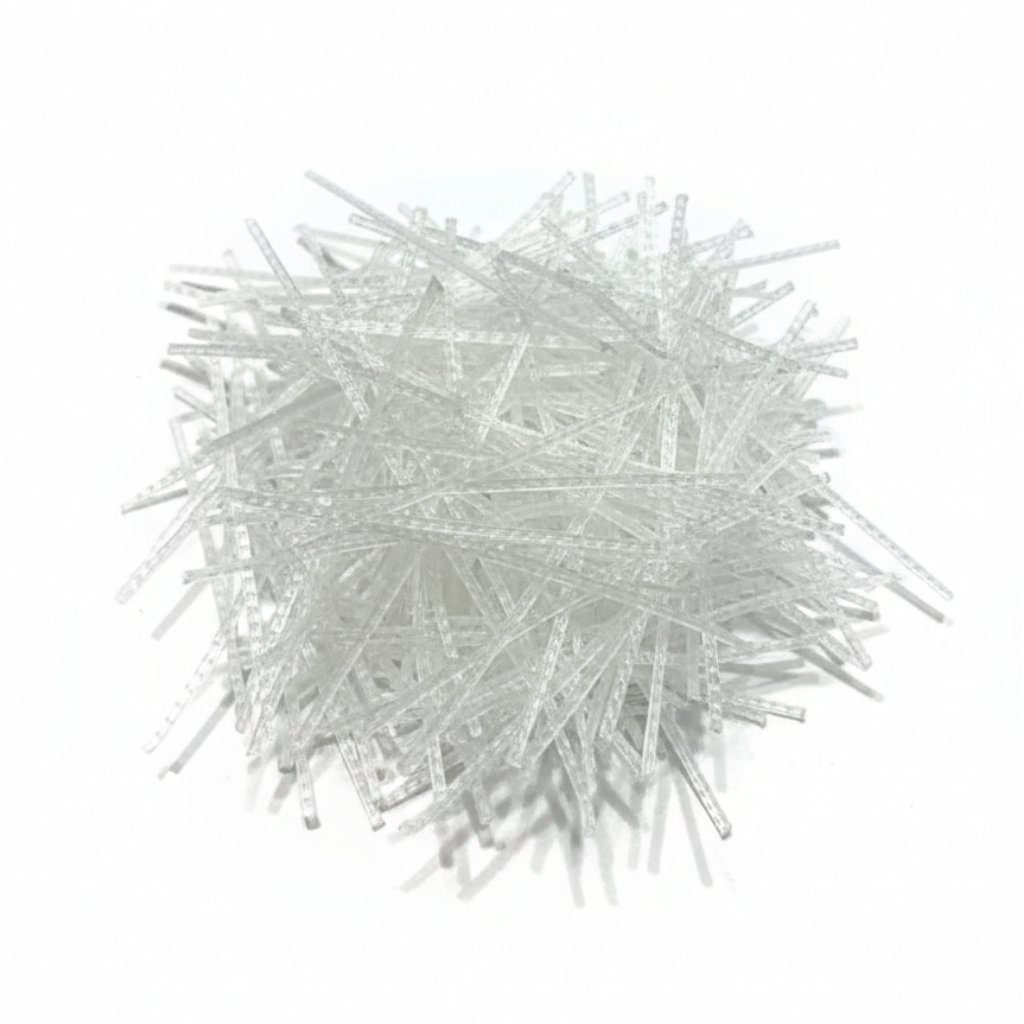
When planning a concrete project, one common question is: Can concrete fiber replace rebar? The short answer is: sometimes, but not in every application. Concrete fiber and reinforcing bars both improve the performance of concrete, but they work in different ways. Whether fiber reinforced concrete can replace conventional rebar depends on the type of structure, loading conditions, design requirements, fiber type, dosage, and applicable engineering standards. In certain applications, properly designed fiber reinforced concrete can replace some or all conventional reinforcement. In other structural members, rebar remains necessary. ACI guidance recognizes fiber-reinforced concrete as a material that can be designed for structural applications, including specific slab, precast, shotcrete, and other systems. What Is Concrete Fiber? Concrete fiber consists of small, discrete fibers that are distributed throughout a concrete mixture. Depending on the application, fibers can be manufactured from materials such as steel, synthetic polymers, glass, or other materials. Unlike rebar, which is positioned at specific locations within a concrete member, fibers are dispersed throughout the concrete matrix. This distribution allows fibers to help bridge cracks and improve the post-cracking behavior of concrete. ACI notes that fibers can help reduce crack widths, improve residual strength, increase toughness, and improve resistance to impact and other stresses. How Does Rebar Differ From Concrete Fiber? Rebar and fiber reinforcement have different roles. Rebar is continuous reinforcement placed in predetermined locations. It is commonly used to resist tensile forces in structural members such as beams, columns, suspended slabs, and other reinforced concrete elements. Concrete fiber, on the other hand, is distributed throughout the concrete. Fibers can help control cracking and, depending on the fiber type and dosage, provide post-crack residual strength and toughness. Therefore, adding fiber to concrete does not automatically mean that the same amount of rebar can simply be removed. Can Concrete Fiber Replace Rebar? Yes, in certain engineered applications. Fiber reinforced concrete can replace conventional reinforcement in some applications, particularly where fibers are being used as an engineered reinforcement system rather than simply as a crack-control additive. For example, macrofibers may be used in applications such as: Slabs-on-ground Industrial floors Concrete pavements Certain precast products Shotcrete Selected tunnel and lining applications Some engineered elevated slab systems ACI publications describe applications where fiber reinforcement can partially or fully replace conventional reinforcement under appropriate design conditions. However, this should be determined through structural design rather than by simply adding fibers and removing rebar. When Should Rebar Still Be Used? For many structural elements, conventional reinforcement continues to have an important role. For example, beams, columns, suspended slabs, cantilevers, and other members with significant structural tension requirements may require conventional reinforcement according to the applicable structural design. Industry guidance specifically notes that current fiber technology does not provide a blanket replacement for structural steel designed for conventional structural members such as girders, columns, and cantilever sections. The correct approach is therefore not “fiber versus rebar” in every project. In many cases, the appropriate solution may be fiber alone, rebar alone, or a combination of both, depending on the engineering requirements. Can Concrete Fiber Replace Wire Mesh? This is one area where fiber reinforced concrete can provide a practical alternative. Macrofibers can be used in many slab-on-ground applications where conventional welded wire reinforcement is primarily being used for shrinkage and temperature crack control. The Fiber Reinforced Concrete Association notes that macrofibers can be used in applications where conventional steel reinforcement is accepted as secondary reinforcement. Using fibers can also simplify concrete placement because the reinforcement is incorporated into the concrete mixture rather than requiring workers to position, support, cut, and tie mesh before concrete placement. However, the required fiber type and dosage should be determined from the project design and the performance requirements of the concrete. Microfibers vs. Macrofibers: Why the Difference Matters Not all concrete fibers can replace conventional reinforcement. Microfibers Microfibers are primarily used for controlling early-age plastic shrinkage cracking and improving certain durability characteristics. They generally should not be considered a direct replacement for structural reinforcement. Macrofibers Macrofibers have larger dimensions and are designed to provide greater post-crack performance. Steel and synthetic macrofibers can be used in engineered fiber reinforced concrete systems where residual strength and toughness are important. ACI guidance distinguishes between different fiber types and applications, and fiber dosage depends on the fiber’s geometry, material, and intended use. This distinction is extremely important when considering whether concrete fiber can replace rebar. What Are the Benefits of Using Fiber Reinforced Concrete? When properly designed, fiber reinforced concrete can offer several construction benefits. 1. Better Crack Control Fibers are distributed throughout the concrete and can bridge developing cracks. This can help control crack widths and improve the overall post-cracking behavior of concrete. 2. Improved Toughness Concrete fiber can provide additional energy absorption and post-crack residual strength, depending on the fiber system used. 3. Faster Installation Unlike conventional reinforcement that must generally be placed before concrete is poured, fibers are incorporated into the concrete mixture. This can reduce some reinforcement-placement activities. 4. Reduced Reinforcement Handling Fiber reinforcement can eliminate or reduce activities such as cutting, positioning, supporting, and tying certain types of conventional reinforcement in applications where fiber replacement has been properly designed. 5. More Uniform Reinforcement Distribution Because fibers are dispersed throughout the concrete, reinforcement is not limited to a single plane in the same way as conventional mesh. How Much Concrete Fiber Is Needed to Replace Rebar? There is no universal fiber dosage that can replace a specific quantity of rebar. The required dosage depends on factors such as: Concrete strength Fiber material Fiber length and diameter Fiber geometry Fiber tensile strength Fiber dosage Required residual flexural strength Slab or structural geometry Applied loads Support conditions Joint layout Environmental exposure Applicable design standards For engineered fiber replacement, performance testing is important. ASTM C1609/C1609M is one commonly used method for evaluating the flexural performance of fiber reinforced concrete, and design approaches can use residual strength results to determine an appropriate fiber dosage. Therefore, it is not recommended to use a simple rule
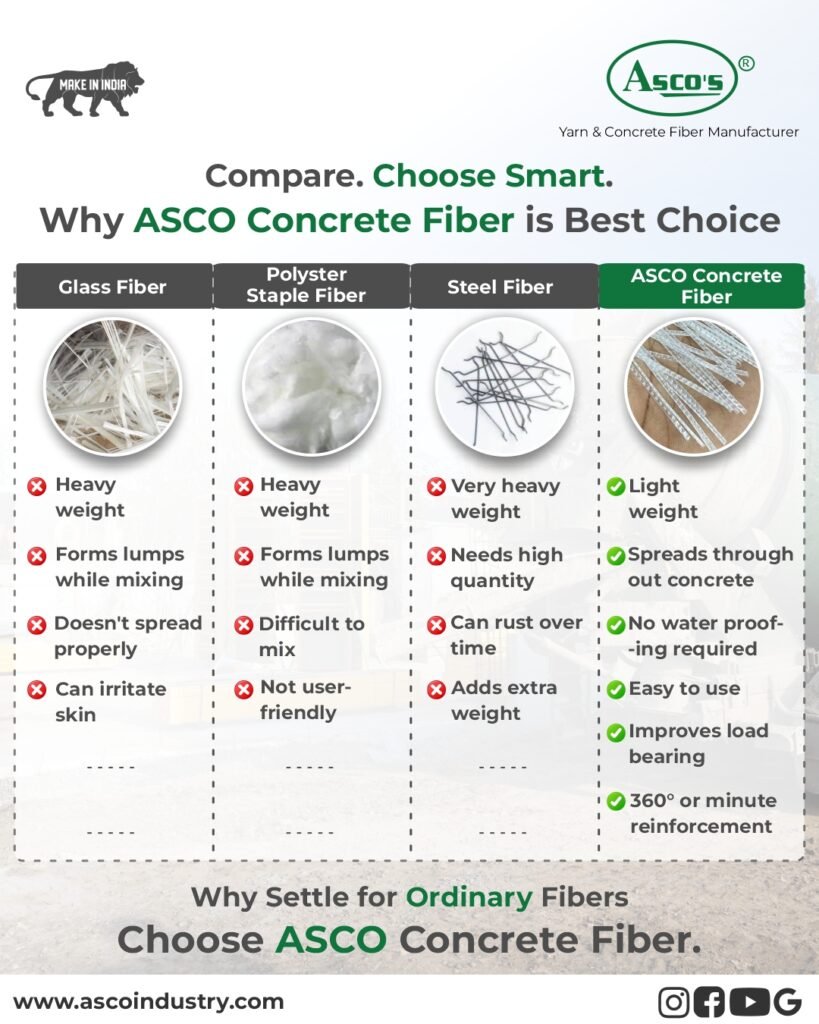
Concrete Fiber
Uncategorized

How much concrete fiber do I need?

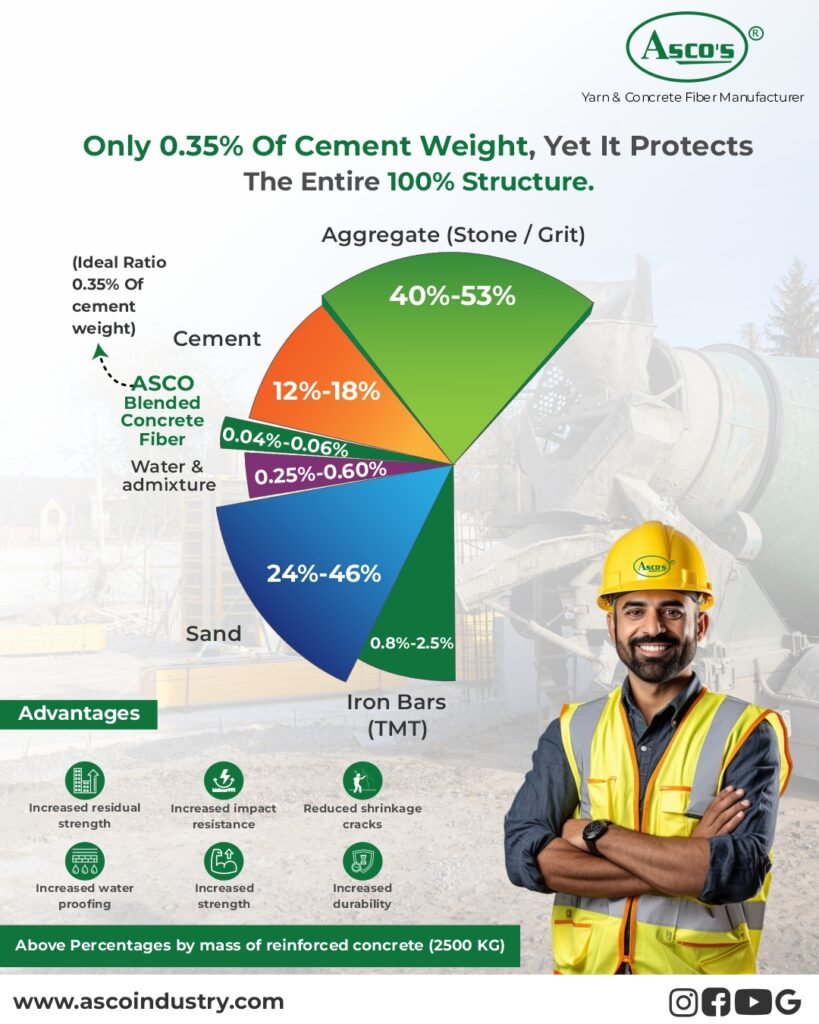
How much concrete fiber do I need? This is one of the most common questions asked when planning fiber reinforced concrete. The answer depends on several factors, including the type of concrete fiber, the application, the required performance, and the specific product being used. There is no single fiber dosage that works for every concrete project. For example, synthetic microfibers used mainly for plastic-shrinkage crack control require much smaller quantities than macro synthetic or steel fibers used for post-crack performance. According to the American Concrete Institute (ACI), fiber dosage should be selected according to the type of fiber and the performance required from the concrete. Quick Answer: How Much Concrete Fiber Is Needed? Typical concrete fiber dosage can vary considerably: Fiber TypeTypical Dosage*Common PurposeSynthetic microfiberAround 0.3–0.9 kg/m³Plastic shrinkage crack controlFibrillated synthetic fiberAround 0.9 kg/m³ or moreCrack controlSynthetic macrofiberAround 1.8–6 kg/m³Post-crack performance and toughnessSteel fiberAround 9–12 kg/m³ minimum for some slab applicationsCrack control and post-crack performance *These are general reference ranges, not a universal specification. The required dosage should be determined from the fiber manufacturer’s recommendations and the performance requirements of the project. For structural or performance-critical applications, simply choosing a dosage from a general table is not sufficient. The fiber type and dosage should be selected based on the required performance and appropriate testing or engineering design. Why Does Concrete Fiber Dosage Matter? Adding concrete fiber is not simply a matter of adding “more fiber for stronger concrete.” The right amount is important because both under-dosing and over-dosing can create problems. If too little fiber is added, the concrete may not receive enough reinforcement to provide the intended crack-control or post-crack performance. On the other hand, excessive fiber can affect workability, mixing, pumping and finishing. ACI notes that fiber addition can reduce concrete workability and that mix adjustments, including the use of water-reducing admixtures where appropriate, may be necessary. Therefore, the goal should always be the correct concrete fiber dosage for the intended application, rather than simply using the highest possible quantity. Concrete Fiber Dosage Depends on the Type of Fiber Different fibers perform different functions in concrete. Understanding the fiber type is the first step in determining how much you need. 1. Synthetic Microfiber Synthetic microfibers are commonly used to help control plastic-shrinkage cracking in concrete. ACI reports typical dosage ranges of approximately 0.3 to 0.9 kg/m³ for monofilament synthetic microfibers, depending on the fiber and application. Fibrillated fibers commonly require at least about 0.9 kg/m³. These fibers are commonly used in applications such as: Residential slabs Driveways Walkways Pavements Floors General concrete flatwork The exact dosage should follow the manufacturer’s product recommendations. 2. Synthetic Macrofiber Synthetic macrofibers are larger than microfibers and are designed for applications where improved post-crack performance and toughness are required. ACI indicates that synthetic macrofiber dosage can commonly range from approximately 1.8 to 6 kg/m³, depending on the application and required performance. For more demanding applications, the dosage should be established through performance requirements rather than selecting a number based only on concrete volume. 3. Steel Fiber Steel fiber is generally used at considerably higher dosages than synthetic microfibers. For example, ACI identifies a typical minimum range of approximately 9–12 kg/m³ for certain slab-on-ground applications, although structural applications can require significantly different quantities. Steel fiber dosage can depend on: Concrete strength Fiber geometry Fiber aspect ratio Required residual strength Slab thickness Loading conditions Structural design Project specifications This is why steel fiber dosage should be established by the project design requirements. How Do You Calculate the Amount of Concrete Fiber You Need? Once the required dosage has been established, calculating the total amount of fiber is straightforward. Basic Formula Total Concrete Fiber Required = Concrete Volume × Fiber Dosage For example, suppose a project requires: Concrete volume = 20 m³ Recommended fiber dosage = 2 kg/m³ Then: 20 m³ × 2 kg/m³ = 40 kg of concrete fiber Therefore, approximately 40 kg of fiber would be required for the specified dosage. Always account for the actual product packaging and follow the manufacturer’s recommended dosage. Example: Calculating Fiber for a Concrete Slab Imagine you are constructing a slab that requires 50 m³ of concrete, and the selected concrete fiber has a recommended dosage of 2.5 kg/m³. The calculation would be: 50 × 2.5 = 125 kg So, the project would require approximately 125 kg of concrete fiber at that dosage. However, this calculation only determines the quantity. It does not determine whether 2.5 kg/m³ is the correct dosage for your project. The appropriate dosage must first be established based on the selected fiber and intended application. What Factors Determine the Right Fiber Dosage? Several factors should be considered before deciding how much concrete fiber to use. 1. Type of Fiber Microfibers, macrofibers, steel fibers and other fiber types have different properties and recommended dosage ranges. 2. Purpose of the Fiber Are you primarily trying to: Reduce plastic-shrinkage cracking? Improve toughness? Improve post-crack performance? Control crack width? Reduce the need for conventional secondary reinforcement? Improve durability or impact resistance? The answer affects the required fiber type and dosage. 3. Concrete Application The dosage may differ for: Residential floors Industrial floors Roads and pavements Precast products Shotcrete Tunnels Warehouses Slabs-on-ground Other structural applications 4. Required Performance For applications where fibers contribute to structural or post-crack performance, dosage should be based on the required performance rather than simply a standard kg/m³ figure. ACI recommends performance-based evaluation for selecting appropriate fiber type and dosage, including tests such as ASTM C1609/C1609M for certain hardened-concrete performance requirements. 5. Concrete Mix Design Fiber can influence workability and finishing. The concrete mixture may need to be adjusted to achieve the desired workability, pumpability and finishability. Can I Just Add More Concrete Fiber for Better Results? Not necessarily. More fiber does not automatically mean better concrete. Using an inappropriate dosage can make the concrete harder to mix, place or finish without delivering a proportional performance benefit. Similarly, using less fiber than the recommended dosage can result in inadequate fiber volume and inconsistent performance.

Concrete Fiber
Uncategorized

what is steel fiber reinforced concrete?

Steel fiber reinforced concrete is a type of fiber reinforced concrete in which small steel fibers are mixed throughout the concrete to improve its performance after cracking. These fibers are distributed within the concrete matrix and help control cracks, improve toughness, and increase the concrete’s ability to withstand impact and repeated loading. Unlike conventional concrete, which can become brittle once cracks develop, steel fiber reinforced concrete uses thousands of individual fibers to provide additional reinforcement throughout the concrete. But steel is not the only option available today. Modern Concrete Fiber technology provides alternatives that can offer excellent crack control, durability, easier handling, and suitability for a wide range of construction applications. What Is Steel Fiber Reinforced Concrete? Steel fiber reinforced concrete (SFRC) is conventional concrete combined with short, discontinuous steel fibers. The fibers are typically made from high-strength steel and are added to the concrete mix before or during mixing. Once the concrete hardens, the fibers are randomly distributed through the mixture. When cracks begin to form, the fibers crossing those cracks can help transfer tensile stresses and restrict further crack opening. The basic components include: Cement Fine and coarse aggregates Water Admixtures, when required Steel fibers The result is a form of fiber reinforced concrete designed to provide improved post-cracking behavior and toughness. How Does Steel Fiber Reinforced Concrete Work? Concrete performs very well under compression but is comparatively weak in tension. Cracks can develop when concrete experiences tensile stresses caused by shrinkage, temperature changes, loading, or other factors. Steel fibers help bridge cracks after they develop. When a crack reaches a steel fiber, the fiber can resist being pulled out or separated from the surrounding concrete. This helps transfer stresses across the crack and can improve the concrete’s toughness and post-cracking capacity. In simple terms: Concrete provides compressive strength, while fibers help improve crack resistance and post-cracking performance. The effectiveness of steel fiber reinforcement depends on factors such as fiber type, fiber dimensions, dosage, concrete mix design, fiber distribution, and the requirements of the specific application. Key Benefits of Steel Fiber Reinforced Concrete 1. Improved Crack Control One of the primary reasons for using fiber reinforced concrete is crack control. Steel fibers are distributed throughout the concrete rather than concentrated only in specific locations. This can help control cracks caused by shrinkage, temperature variations, and service loads. 2. Increased Toughness Steel fiber reinforced concrete can absorb more energy than plain concrete after cracking. This makes it useful in applications exposed to impact, vibration, abrasion, or repeated loading. 3. Better Post-Cracking Performance Conventional concrete can lose much of its load-carrying capability after significant cracking. Properly designed steel fiber reinforced concrete can continue transferring stresses through fibers that bridge cracks. 4. Improved Resistance to Impact Steel fibers can increase the toughness of concrete, making SFRC suitable for certain applications where impact resistance is important. 5. Reduced Dependence on Conventional Crack-Control Reinforcement Depending on the structural design and project requirements, concrete fibers may reduce the need for some conventional reinforcement used for crack control. However, fibers should not automatically be considered a replacement for structural reinforcement. The appropriate reinforcement system should always be determined through engineering design. Where Is Steel Fiber Reinforced Concrete Used? Steel fiber reinforced concrete is used across many construction and infrastructure applications. Common applications include: Industrial floors Warehouses Pavements Roads Precast concrete products Tunnel linings Shotcrete Airport pavements Heavy-duty slabs Loading areas Mining and infrastructure projects The correct fiber type and dosage depend on the project’s structural and performance requirements. Steel Fiber vs. Other Types of Concrete Fiber Steel fibers have traditionally been used where high toughness and post-cracking performance are required. However, construction technology has expanded significantly, and contractors now have access to different types of Concrete Fiber. Common categories include: Fiber Type Typical Characteristics Steel Fiber High toughness and post-cracking capacity Synthetic Fiber Lightweight, corrosion-resistant and useful for crack control Polypropylene Fiber Commonly used for controlling plastic shrinkage and early-age cracking Glass Fiber Useful for specialized concrete and cementitious applications Macro Synthetic Fiber Can provide significant post-cracking reinforcement in suitable designs Choosing between steel and synthetic Concrete Fiber should be based on the project’s requirements rather than simply selecting the strongest-looking material. Is Steel Fiber Reinforced Concrete Better Than Traditional Concrete? Steel fiber reinforced concrete can offer several advantages over plain concrete, particularly where crack control, toughness, impact resistance, or post-cracking performance are important. However, “better” depends on the application. For example, a project may require: Crack control Corrosion resistance Easy mixing Lightweight reinforcement High toughness Improved durability Faster installation Reduced handling requirements This is why selecting the right Concrete Fiber is important. A properly engineered fiber reinforced concrete solution should consider the concrete mix, application, expected loads, environmental exposure, fiber dosage, and required performance. Can Concrete Fiber Replace Steel Reinforcement? This is one of the most common questions about fiber reinforced concrete. The answer is: sometimes, but not automatically. Concrete Fiber can perform different reinforcement functions depending on its type and dosage. In certain applications, fibers can replace conventional reinforcement used primarily for crack control or provide an alternative reinforcement solution. However, fibers are not a universal replacement for reinforcing bars, welded wire reinforcement, or other structural reinforcement. For structural applications, fiber selection and dosage should be based on engineering calculations, applicable standards, testing, and project specifications. Why Consider ASCO Concrete Fiber? Selecting the right fiber is essential to achieving consistent results from fiber reinforced concrete. ASCO Concrete Fiber is designed to provide a practical reinforcement solution for construction applications where improved crack control, durability, and concrete performance are required. ASCO Concrete Fiber can be considered for applications where contractors and concrete professionals are looking for a reliable alternative to traditional reinforcement approaches. Key considerations when selecting ASCO Concrete Fiber include: Consistent fiber quality Easy incorporation into concrete Uniform distribution throughout the mix Improved crack-control performance Suitability for different construction applications Reduced manual handling compared with some traditional reinforcement methods For the best results, the appropriate ASCO Concrete Fiber product and dosage should

Concrete Fiber
Uncategorized

what is glass fiber reinforced concrete?

Glass Fiber Reinforced Concrete (GFRC) is a type of fiber reinforced concrete that uses specially designed glass fibers to improve the performance, durability, and crack resistance of cement-based concrete products. By distributing fibers throughout the concrete matrix, GFRC can provide additional tensile capacity, better resistance to cracking, and improved durability compared with conventional concrete in suitable applications. As the construction industry increasingly focuses on durable, efficient, and high-performance materials, Concrete Fiber has become an important component in many concrete applications. But what exactly is glass fiber reinforced concrete, how does it work, and when should it be used? This guide explains everything you need to know. What Is Glass Fiber Reinforced Concrete? Glass Fiber Reinforced Concrete is concrete or a cementitious composite reinforced with alkali-resistant (AR) glass fibers. These fibers are incorporated into the cement matrix to help control cracking and improve the material’s behavior under stress. Unlike traditional concrete, which can be relatively weak in tension, fiber reinforced concrete contains small, discontinuous fibers that are distributed throughout the mixture. When microcracks begin to develop, the fibers can bridge cracks and help control their growth. GFRC is commonly used for products and architectural elements such as: Architectural panels Decorative concrete components Facade elements Cladding panels Exterior building features Precast concrete products Lightweight architectural components Planters and landscaping products The exact fiber type, dosage, mix design, curing method, and manufacturing process should be selected according to the requirements of the project. How Does Glass Fiber Reinforced Concrete Work? The basic principle behind GFRC is fiber reinforcement. Concrete performs very well under compression but has comparatively lower tensile and post-cracking performance. When stresses create small cracks in concrete, appropriately selected fibers can cross these cracks and help transfer stresses across them. This can provide several benefits: Crack control – Fibers help control the formation and development of cracks. Improved toughness – Fiber reinforcement can improve the ability of concrete to absorb energy after cracking. Better durability – Reduced crack development can help protect the concrete from environmental exposure. Improved surface performance – Properly designed GFRC can provide a strong and durable surface for architectural applications. Design flexibility – GFRC can be manufactured into a range of shapes and architectural forms. It is important to understand that glass fiber does not simply make every concrete mixture stronger. Performance depends on the fiber’s properties and the complete mix design. What Is the Difference Between GFRC and Traditional Concrete? Traditional concrete generally relies on the cementitious matrix and, where required, conventional reinforcement such as steel bars or welded reinforcement. GFRC incorporates glass fibers into the cementitious material. These fibers are distributed throughout the matrix and can provide reinforcement at a much smaller scale. A simplified comparison looks like this: FeatureTraditional ConcreteGlass Fiber Reinforced ConcreteFiber reinforcementGenerally not includedGlass fibers incorporatedCrack controlPrimarily depends on mix and conventional reinforcementImproved through fiber bridgingTensile behaviorRelatively limitedCan be improved with suitable fiber reinforcementArchitectural applicationsWidely usedParticularly suitable for many architectural elementsComplex shapesPossibleOften well suited to lightweight architectural formsMaterial designConventionalRequires appropriate fiber and mix designGFRC is not automatically a replacement for every type of reinforced concrete. Instead, it is a specialized fiber reinforced concrete solution for applications where its particular properties provide an advantage. What Are the Benefits of Glass Fiber Reinforced Concrete? The benefits of GFRC depend on the application and design, but commonly include the following. 1. Improved Crack Control One of the primary reasons for adding Concrete Fiber is to control cracking. Glass fibers can bridge developing cracks and distribute stresses through the cementitious matrix. This makes fiber reinforcement particularly useful in applications where controlling cracking is important. 2. Increased Toughness Concrete can behave in a relatively brittle manner after cracking. Fiber reinforcement can improve post-cracking behavior by helping the material carry load and absorb energy after cracks form. 3. Durable Construction Components A properly designed GFRC product can provide good resistance to many environmental conditions. Crack control can also contribute to long-term durability by limiting pathways through which moisture and other aggressive elements may enter. 4. Lightweight Architectural Construction GFRC is widely associated with architectural applications because it can be manufactured into relatively thin sections compared with some conventional concrete products. Lower material thickness can potentially reduce the weight of certain architectural components, subject to engineering and project requirements. 5. Design Flexibility Glass fiber reinforced cementitious materials can be used to create detailed architectural shapes, textures, patterns, and finishes. This makes GFRC attractive for projects where both performance and appearance are important. Where Is Glass Fiber Reinforced Concrete Used? GFRC can be used in a variety of construction and architectural applications. Common examples include: Architectural Facades GFRC panels can be used for building facades where designers require decorative finishes combined with a cement-based construction material. Cladding and Wall Panels Fiber reinforced cementitious panels can provide an option for exterior and interior architectural applications. Precast Components GFRC can be incorporated into selected precast products where fiber reinforcement and lightweight construction are beneficial. Decorative Concrete Architectural details, ornamental features, sculptures, planters, and other decorative elements can be produced using glass fiber reinforced materials. Landscaping Products GFRC can also be used for certain landscaping and outdoor products where shape, appearance, and durability are important. Is Glass Fiber the Same as Concrete Fiber? Not exactly. Concrete Fiber is a broad term that refers to fibers used to reinforce concrete or cementitious materials. These fibers can be manufactured from different materials, including glass, synthetic polymers, steel, and other specialty materials. Glass fiber is therefore one type of Concrete Fiber. The appropriate fiber depends on the application. For example, different projects may require different combinations of crack control, toughness, durability, workability, structural performance, or surface requirements. This is why selecting the correct fiber is an important part of designing fiber reinforced concrete. Glass Fiber vs. Other Concrete Fibers Different fibers have different characteristics. Glass Fiber Glass fibers, particularly alkali-resistant glass fibers, are commonly associated with GFRC and architectural cement-based products. They can provide reinforcement while maintaining a relatively fine fiber profile. Synthetic Fiber Synthetic

Concrete Fiber
Uncategorized

what is fiber concrete?

Concrete is one of the most widely used construction materials because of its strength, durability, and versatility. However, conventional concrete can develop cracks due to shrinkage, temperature changes, impact, and other stresses. Fiber concrete, also known as fiber reinforced concrete, is designed to address some of these limitations by incorporating small fibers throughout the concrete mix. But what exactly is fiber concrete, how does it work, and why are Concrete Fiber products increasingly used in modern construction? This guide explains everything you need to know about fiber concrete, its benefits, applications, and how choosing the right concrete fiber can improve the performance of concrete structures. What Is Fiber Concrete? Fiber concrete is concrete that contains short, discontinuous fibers distributed throughout the concrete mixture. These fibers help control cracking and improve the toughness and durability of the concrete. The resulting material is commonly called fiber reinforced concrete (FRC). Unlike conventional concrete, which primarily relies on its cementitious matrix and conventional reinforcement, fiber reinforced concrete contains fibers that are dispersed within the mix. When cracks begin to form, the fibers can help bridge the cracks and hold the concrete together. Depending on the project requirements, different types of fibers can be used, including: Polypropylene fibers Steel fibers Synthetic structural fibers Glass fibers Basalt fibers Other specialized reinforcement fibers The appropriate type of Concrete Fiber depends on the application, required performance, concrete mix, and design requirements. How Does Fiber Reinforced Concrete Work? Concrete is strong in compression but comparatively weak in tension. When concrete experiences tensile stresses, small cracks can develop. In fiber reinforced concrete, fibers are distributed throughout the concrete matrix. When a crack develops, fibers can cross the crack and provide additional resistance. This can help: Control shrinkage cracking Improve post-cracking behavior Increase toughness Improve resistance to impact and abrasion Reduce crack width in appropriate applications Improve the overall durability of concrete The performance of FRC depends on several factors, including fiber type, fiber dosage, fiber geometry, concrete mix design, mixing method, and application. What Is Concrete Fiber Made Of? Concrete fibers are manufactured from different materials depending on their intended use. 1. Polypropylene Concrete Fiber Polypropylene is a synthetic material widely used for controlling plastic shrinkage and early-age cracking in concrete. Polypropylene fibers are lightweight, non-corrosive, and easy to incorporate into many concrete mixes. They are commonly used in slabs, floors, precast products, shotcrete, and other construction applications. 2. Steel Fiber Steel fibers are commonly used when higher levels of structural or post-cracking performance are required. They can improve the toughness and load-carrying behavior of concrete when properly designed and dosed. Steel fiber reinforced concrete is used in applications such as industrial floors, warehouses, pavements, precast elements, and other demanding construction projects. 3. Synthetic Structural Fiber Synthetic structural fibers are engineered to provide enhanced post-cracking performance without the corrosion concerns associated with conventional steel reinforcement. Their suitability depends on the project design and the performance requirements of the concrete. What Are the Benefits of Fiber Reinforced Concrete? The use of Concrete Fiber can provide several advantages when the correct fiber and dosage are selected for the intended application. Better Crack Control One of the primary reasons for using fiber reinforced concrete is crack control. Fibers can help limit the development and propagation of cracks caused by plastic shrinkage, drying shrinkage, temperature variations, and other stresses. Improved Toughness Concrete fiber can improve the toughness of concrete by helping the material absorb energy after cracking. This is particularly useful in applications exposed to impact, repeated loading, or mechanical stress. Improved Durability By helping control cracking, fibers can contribute to improved concrete durability. Smaller or better-controlled cracks can reduce pathways through which water and aggressive substances may enter the concrete. However, fiber should be considered part of an overall concrete durability strategy rather than a substitute for proper mix design and curing. Reduced Risk of Early-Age Cracking Fresh concrete can experience plastic shrinkage as moisture evaporates from its surface. Suitable fibers can help reduce the formation and width of these early-age cracks. Uniform Reinforcement Unlike reinforcement placed only at specific locations, properly mixed fibers are distributed throughout the concrete matrix. This provides reinforcement in multiple directions and can help address cracking that may occur between conventional reinforcement locations. Easier Handling and Installation Depending on the type of project and fiber selected, fiber reinforced concrete can simplify certain reinforcement processes by reducing or supplementing the need for some conventional reinforcement. The exact reinforcement requirements should always be determined by the project engineer. Where Is Fiber Concrete Used? Fiber reinforced concrete is suitable for a wide range of construction applications. Common applications include: Concrete Floors Industrial floors, commercial floors, warehouses, and other large slab areas can benefit from fiber reinforcement for crack control and improved toughness. Concrete Slabs Concrete fiber can be incorporated into slabs used in residential, commercial, and industrial construction. Roads and Pavements Fiber reinforced concrete can be used in pavements and other transportation-related applications where improved toughness and crack control are required. Precast Concrete Fiber is commonly used in precast concrete products to improve handling characteristics and performance, depending on the product design. Shotcrete Concrete fibers are widely used in shotcrete applications, including tunnels, retaining structures, slope stabilization, and other specialized construction projects. Industrial and Heavy-Duty Construction Where concrete is exposed to impact, abrasion, or repeated loading, an appropriately designed fiber reinforced concrete system can provide valuable performance benefits. Is Fiber Concrete Better Than Ordinary Concrete? Fiber concrete is not simply a replacement for conventional concrete. Instead, it is a reinforced concrete technology designed to improve specific performance characteristics. Traditional concrete may be suitable for many applications. However, when crack control, toughness, impact resistance, or post-cracking performance is important, adding the right Concrete Fiber can provide significant advantages. The best solution depends on the project. Fiber selection should consider: Type of construction Concrete strength Required performance Fiber material Fiber dimensions Fiber dosage Mixing procedure Environmental conditions Applicable design standards For structural applications, fiber dosage and performance should be established through appropriate

Scroll to Top